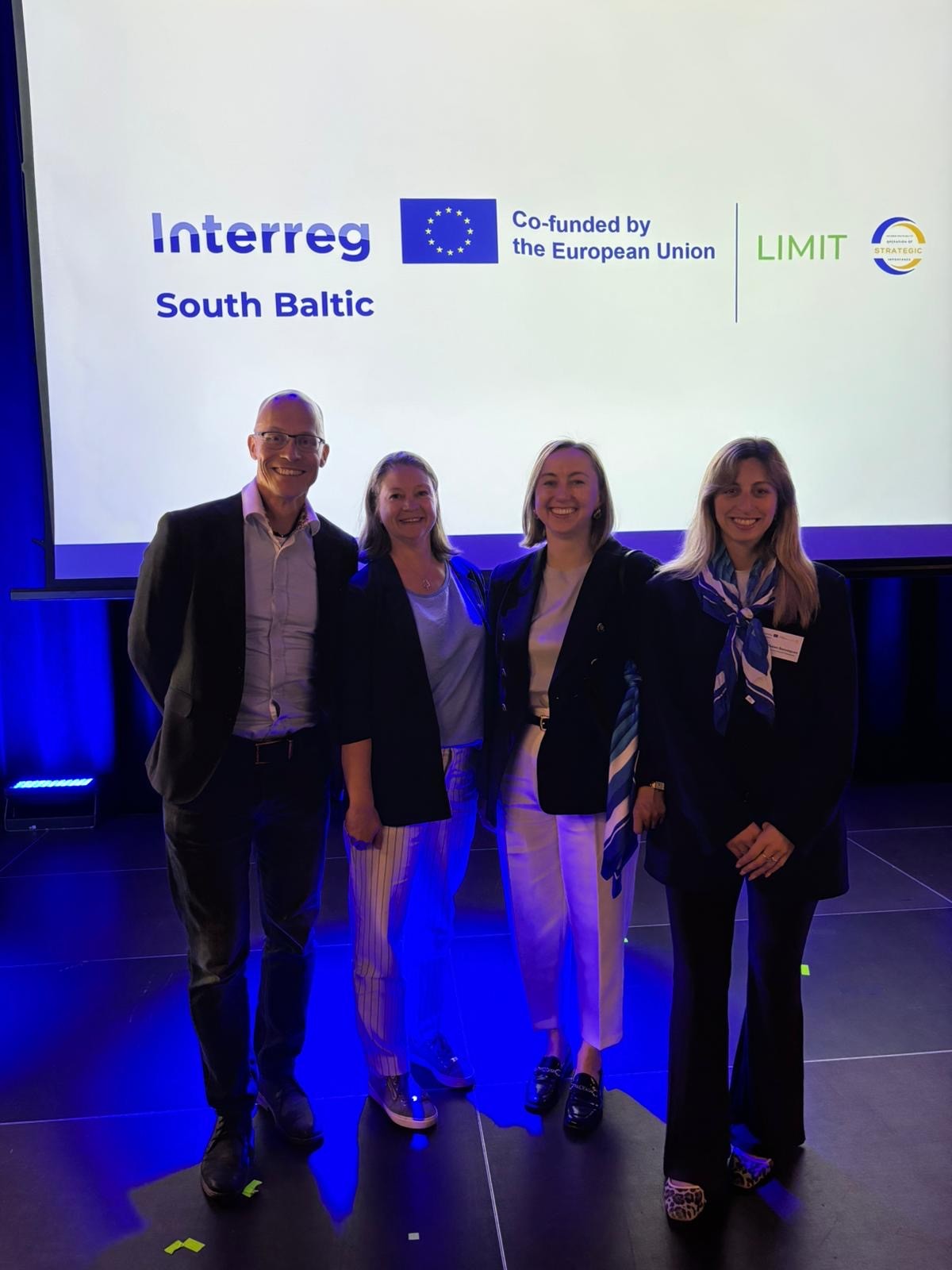
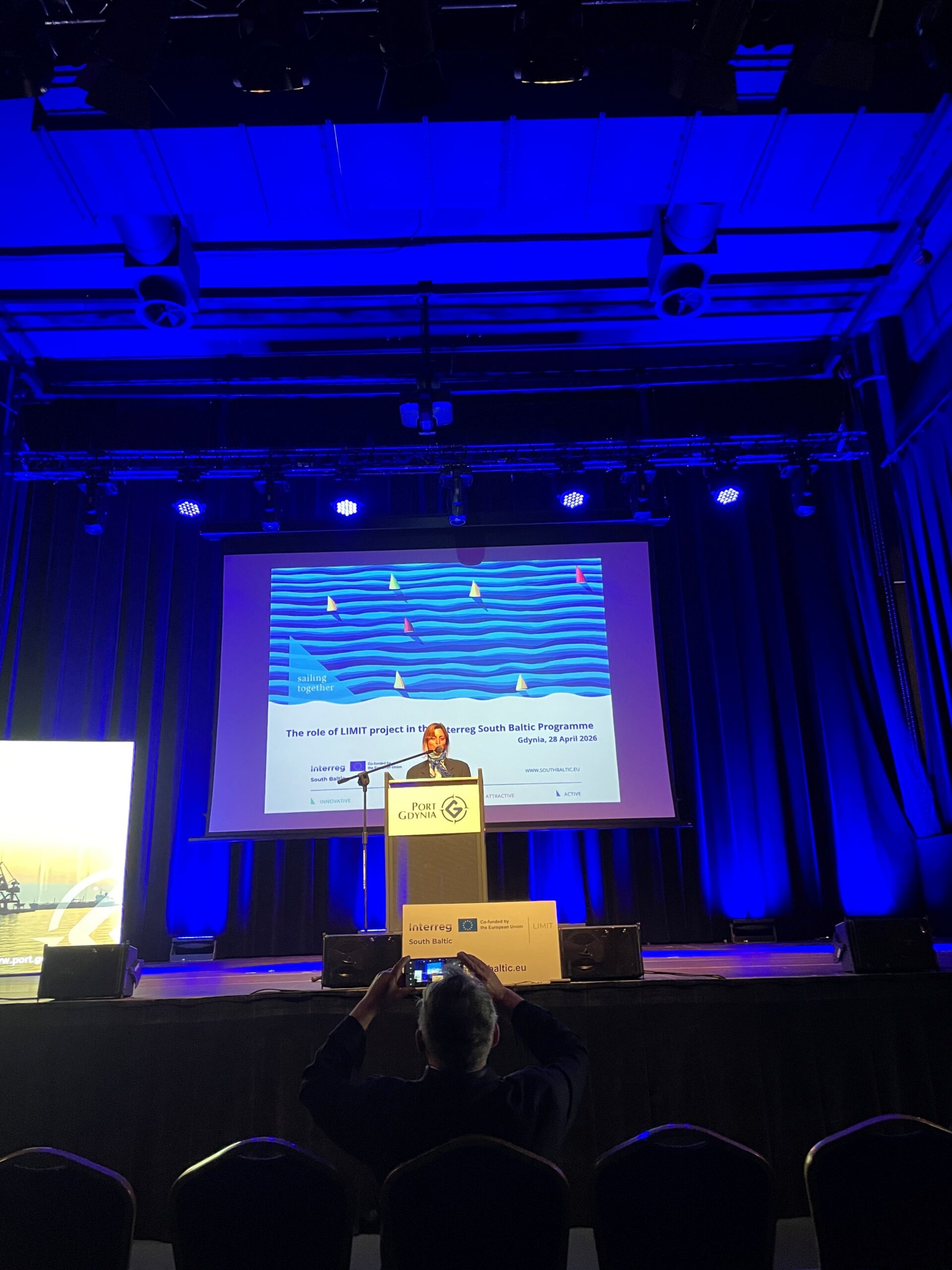
Contemporary environmental challenges, such as the presence of persistent chemicals, require new protective solutions. Partners of the EU-funded LIMIT project took on the challenge of reducing pollution caused by so‑called “forever chemicals.” At the project’s final conference, held on May 28 in Gdynia, they presented their results and practical approaches to tackling marine contamination by these substances.
Forever chemicals, also known as PFAS (per- and polyfluoroalkyl substances), accumulate in people and the environment. In humans they can cause hormonal and metabolic disorders and increase the risk of cancer. PFAS contaminate drinking water sources and place additional burdens on wastewater treatment systems, with potential consequences for the waters of the southern Baltic Sea.
The consortium of the LIMIT project, with the status of the Operastion of Strategic Importance (OSI), brought together academic institutions, industry partners and municipalities from Poland, Denmark, Sweden and Lithuania. Their objective was to jointly develop innovative methods to identify and mitigate PFAS contamination at key hotspots across the South Baltic region.
Cross‑border cooperation and technological progress
Project partners developed and tested technologies that effectively remove PFAS and translated these innovations into practical tools for end users responsible for water monitoring, treatment and wastewater management – municipalities, water utilities, firefighting training centers and others.
Key project outputs include:
- Guidance for improved PFAS sampling and analysis;
- Recommendations for sustainable PFAS disposal tailored to different source types;
- A pilot demonstration at the RESC training center in Korsør, Denmark—a recognised PFAS expertise hub.
These results will help municipalities and water utilities detect contamination earlier, choose effective remediation measures with greater confidence, and reduce the release of hazardous substances to the environment. In doing so, LIMIT supports cleaner water and healthier everyday environments across the South Baltic region.