LiveLagoons – The use of active barriers for the nutrient removal and local water quality improvement in Baltic lagoons

29.01.2025

Lead partner

Name: Klaipeda University
http://www.ku.lt/
Address: Herkaus Manto 84, 92294 Klaipeda
Region/Subregion: Lithuania
Country: Lithuania


Project Partners Member States

DE, LT, PL


Name: EUCC - The Coastal Union Germany
https://www.eucc-d.de/
Address: Friedrich-Barnewitz-Straße 3, 18119 Warnemünde
Region/Subregion: Mecklenburg-Vorpommern
Country: Germany

Name: Curonian Spit National Park administration
https://nerija.lrv.lt/
Address: Naglit str 8 93123 Neringa
Region/Subregion: Klaipedos apskritis
Country: Lithuania

Name: Institute of Hydro-Engineering, Polish Academy of Sciences
http://www.ibwpan.gda.pl/
Address: Kościerska 7, 80-328 Gdańsk
Region/Subregion: Pomorskie
Country: Poland


Category of intervention

085


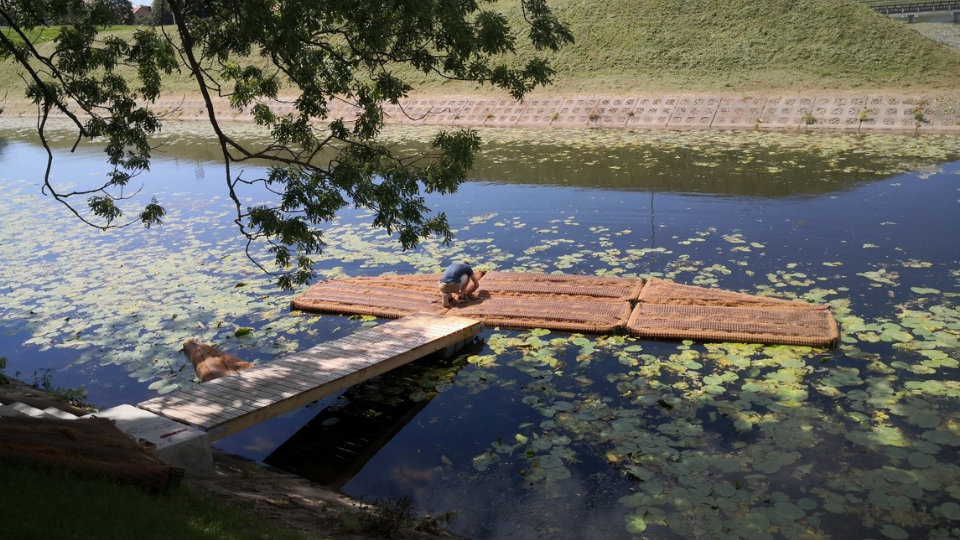
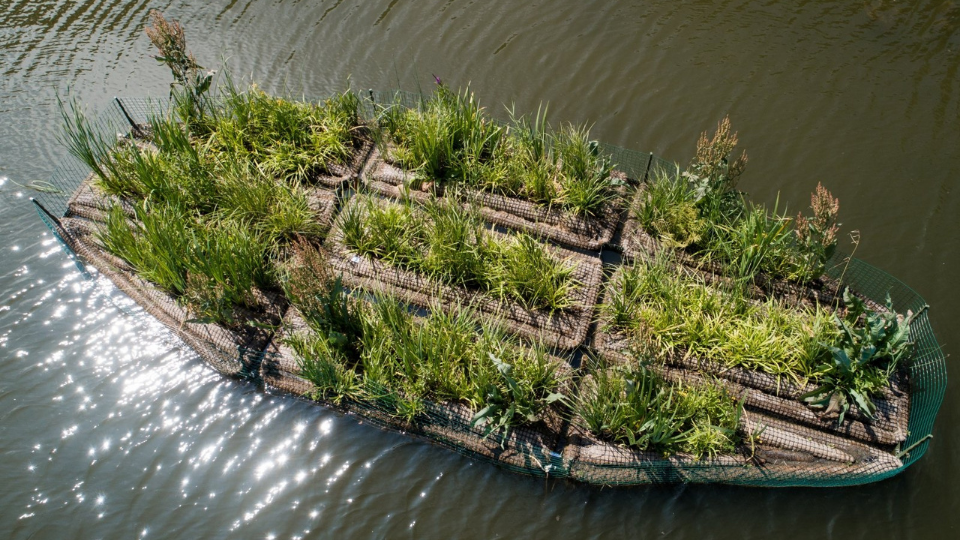
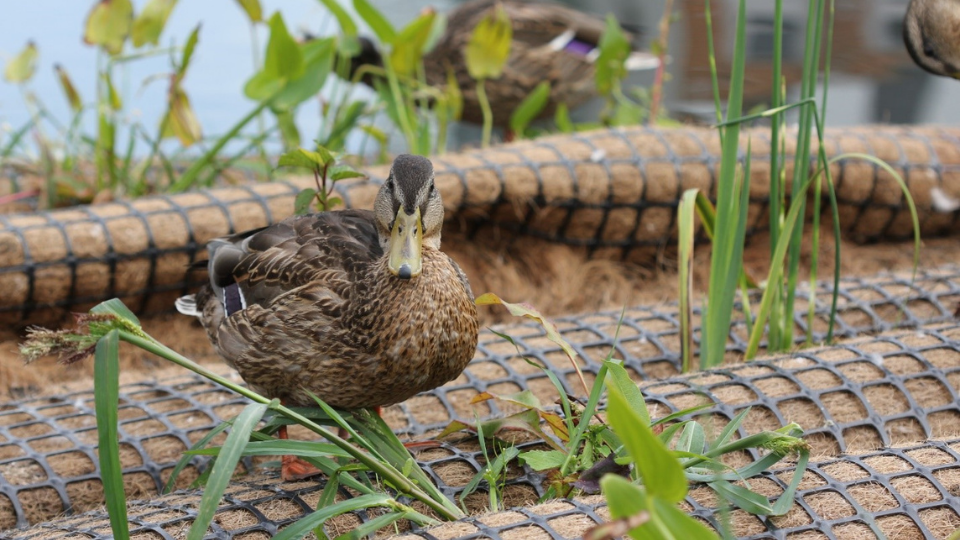
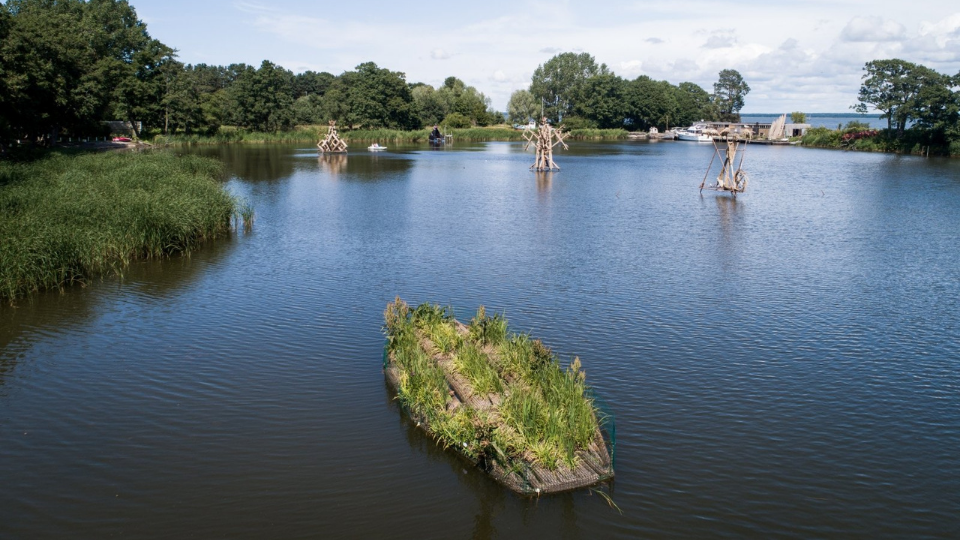
There are many attempts to use mussels or algae cultivation for nutrient removal in the South Baltic area. However, due to low market value of cultivated products, these developments typically end in the initial stage of demonstration studies and are neither sustainable, nor replicated in other than pilot areas. On the other hand there are commercial applications called in general ‘living’ or ‘active’ barriers (e.g. life rafts, BIOHAVEN® LIVING SHORELINE) aimed at both restoration and rehabilitation of coastal habitats and local enhancement of water quality by nutrient absorption and removal. Our idea is to involve the coastal municipalities in the South Baltic lagoons into the application of so called ‘active’ or ‘living’ barrier units to improve water quality and create bathing conditions inside the South Baltic lagoons, where at normal conditions algal blooms and sediment re-suspension prevent recreational bathing. We also plan to link these applications to nutrient quota trading – mechanism for connecting effective nutrient abatement measures with voluntary financiers willing to acquire nutrient offset, relevant for the small coastal communities (especially in cross-border lagoons) pressed for the increased removal of nutrients through the municipal wastewater treatment plants, which are facing operational problems due to sharp fluctuations of population (a tenfold increase during the summer season). Our envisaged results include small scale local improvement of water quality (pilot installations), but, most importantly, increased awareness of local stakeholders interested in water quality and tourism (municipalities, PA administrations) and innovations (SMEs) of our tested technological applications. The cross-border co-operation will allow us to test both technological and socio-economical methodology in different environments including 2 cross-border case studies.
Project website

Find the LiveLagoons Project website here.

Discover our projects

SB Bridge – building bridges for green-tech future

Programme measure:

4.1 Strengthen the cooperation capacity of actors based within the South Baltic Area (including civil society)

Lead Partner:

Klaipeda University

ERDF:

996999.38

see details
SB Bridge – building bridges for green-tech future

SB Nature Guide Network – Supporting sustainable nature tourism in transboundary coastal areas...

Programme measure:

4.1 Strengthen the cooperation capacity of actors based within the South Baltic Area (including civil society)

Lead Partner:

Klaipeda University

ERDF:

1133573.18

see details
SB Nature Guide Network – Supporting sustainable nature tourism in transboundary coastal areas in the SB Region via establishing a common education scheme for Local Guides

FOCUS – Facilitating blue growth with open courses by utilizing R&D products and virtual...

Programme measure:

4.1 Strengthen the cooperation capacity of actors based within the South Baltic Area (including civil society)

Lead Partner:

Klaipeda University

ERDF:

823700.00

see details
FOCUS – Facilitating blue growth with open courses by utilizing R&D products and virtual mobility

ClusterMare – Innovation capacity building through Maritime clustering initiatives (Seed Money)

Programme measure:

1.2 Building connectivity of the region through internationalisation

Lead Partner:

Klaipeda University

ERDF:

29410

see details
ClusterMare – Innovation capacity building through Maritime clustering initiatives (Seed Money)

LiveLagoons – The use of active barriers for the nutrient removal and local water quality improvement...

Programme measure:

2.2 Promoting sustainable use of water

Lead Partner:

Klaipeda University

ERDF:

31790

see details
LiveLagoons – The use of active barriers for the nutrient removal and local water quality improvement in Baltic lagoons (Seed Money)

QUISST – Qualification Upgrading In Sustainable Seaside Tourism (Seed Money)

Programme measure:

4.1 Strengthen the cooperation capacity of actors based within the South Baltic Area (including civil society)

Lead Partner:

Klaipeda University

ERDF:

34000

see details
QUISST – Qualification Upgrading In Sustainable Seaside Tourism (Seed Money)

SB Bridge – bridging the gap from science education towards skilled labour forces working in blue...

Programme measure:

4.1 Strengthen the cooperation capacity of actors based within the South Baltic Area (including civil society)

Lead Partner:

Klaipeda University

ERDF:

31280

see details
SB Bridge – bridging the gap from science education towards skilled labour forces working in blue and green economy sectors (Seed Money)

N-B-Well – Nature-based wellness tourism

Programme measure:

2.1 Supporting transition towards green energy

Lead Partner:

Klaipeda University

ERDF:

34000

see details
N-B-Well – Nature-based wellness tourism

Value_H – Changemakers of Youth Environment and Perspectives in South Baltic Area

Programme measure:

2.2 Promoting sustainable use of water

Lead Partner:

Klaipeda University

ERDF:

34000

see details
Value_H – Changemakers of Youth Environment and Perspectives in South Baltic Area

see more projects