
Around 10 million tonnes of plastic waste enter the world’s oceans every year. Plastic pollution remains an escalating threat to both ecosystems and the economy. Although most waste originates from everyday consumption, considerable quantities still reach rivers and coastal areas. Partners in the EU-funded COP and RELOOPED projects have developed solutions to address plastic-related problems; these were showcased at the “Flow of Plastics” conference in Malmö, which marked as the first event under the Operation of Strategic Importance status.
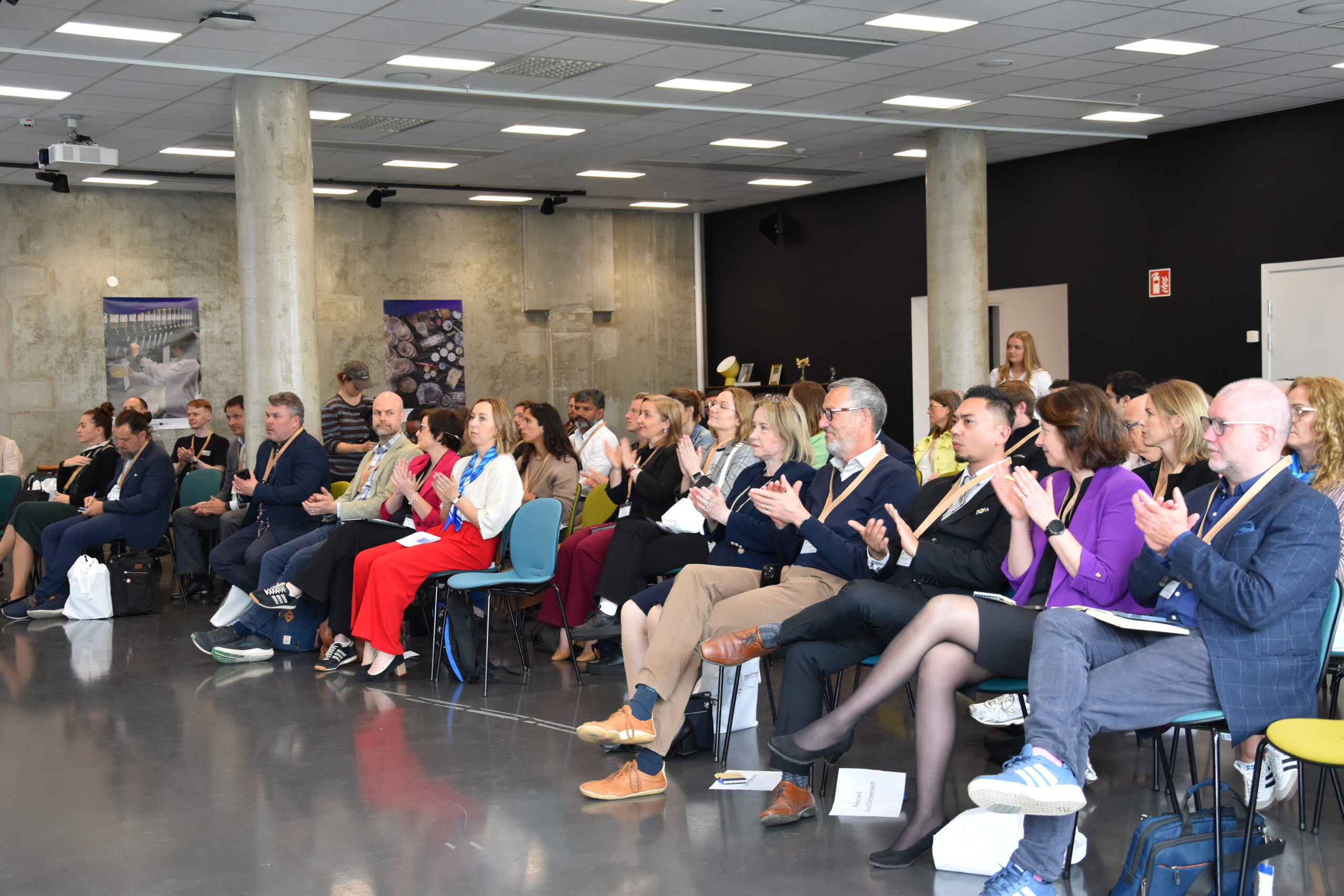
On 21 May 2026 officials, experts and businesses gathered at the international “Flow of Plastics” conference in Malmö to tackle the problem of plastic waste — from retail packaging to its passage into rivers and the sea. The event was organised by the strategic project Circular Ocean-bound Plastic (COP) and the Retail Relooped (RELOOPED) project, both co-financed by the Interreg South Baltic Programme 2021-2027.
Tackling plastic waste from source to sea
Three years of cross‑border cooperation have produced solutions to support the transition to a circular, resource‑efficient economy. These approaches cover the entire plastics value chain: preventing plastic entering the environment, improving collection systems, and enabling reuse and recycling. They also include new ways to engage consumers and new circular business models for companies. Taken together, these measures have the potential to significantly reduce plastic waste in future.
Project solutions
A key outcome of RELOOPED is a digital toolkit that brings together practical solutions, case studies and insights based on real‑world testing and co‑design processes. The toolkit, presented at the conference, is designed to help the retail sector move towards circularity in plastic packaging. Attendees were able to learn about tested solutions including:
- a cup‑return system for coffee outlets in retail environments;
- introducing reusable dispensing packaging for loose goods in supermarket chains as an alternative to single‑use plastic;
- effective roll‑out of reusable lunch containers in university canteens and refectories;
- methods for degradation of certain plastics using insect larvae.
Project partners include BOFA (Denmark), the Sustainable Business Hub (Sweden), the Institute of Fluid‑Flow Machinery of the Polish Academy of Sciences and Klaipėda University. Associated retail partners are Coop Denmark and Żabka Poland.
The COP project focuses on preventing plastic pollution from entering the Baltic Sea. Pilot activities in Gdańsk, Rostock and Aarhus collected and analysed over 20,000 pieces of litter, providing valuable data on how plastic reaches the sea in the region and identifying the patterns and practical prevention measures to tackle waterborne plastic pollution.
COP partners represent Denmark, Germany, Poland and Sweden. Polish participants include the University of Gdańsk, the Gdańsk Water Foundation and the city of Gdańsk.
From local solutions to EU regulation
The conference featured a presentation from a representative of the European Environment Agency on EU policy on plastics, including efforts to tackle pollution and the progress of international negotiations. Representatives of the Polish Plastics Pact outlined the ambitions and achievements of packaging transition leaders in Poland. The programme also included practical case studies, technological solutions and analyses of circular business models and consumer behaviour from various private‑sector actors.
Exhibition and hands‑on activities
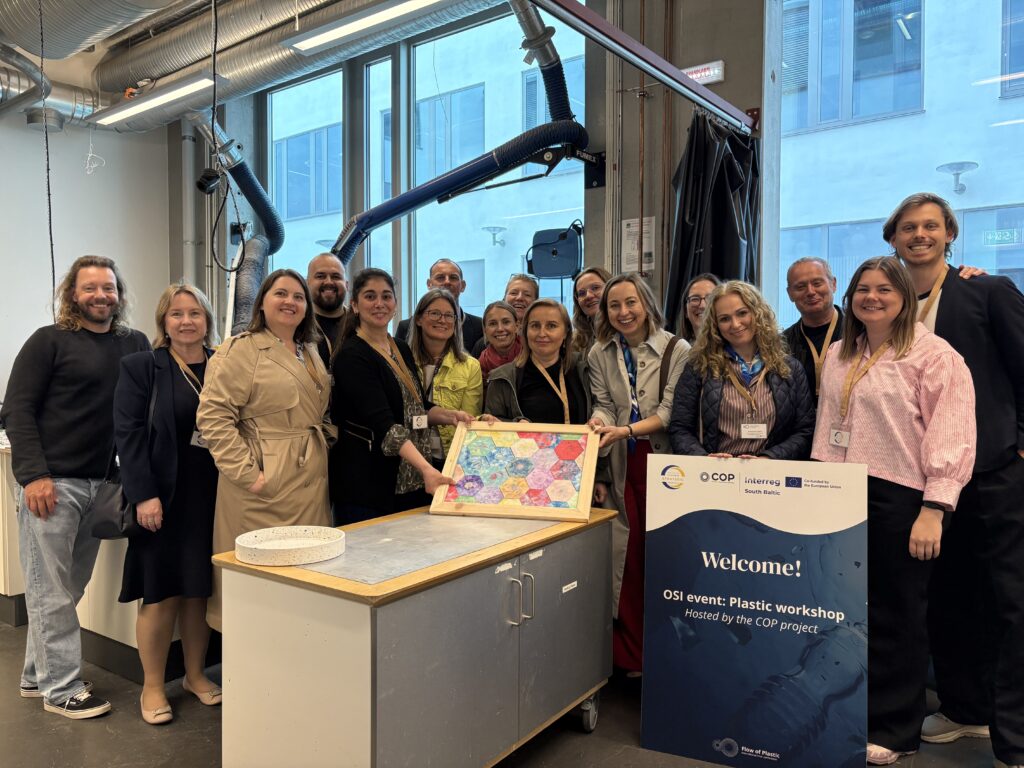
An exhibition showcased practical solutions for circular plastic use in retail and for collection of ocean‑bound plastic. Participants also took part in interactive workshops and practical sessions in which materials from used plastics were transformed into new products.
Photos: Martin Pham, Clean – The Danish Water & Environmental Cluster