
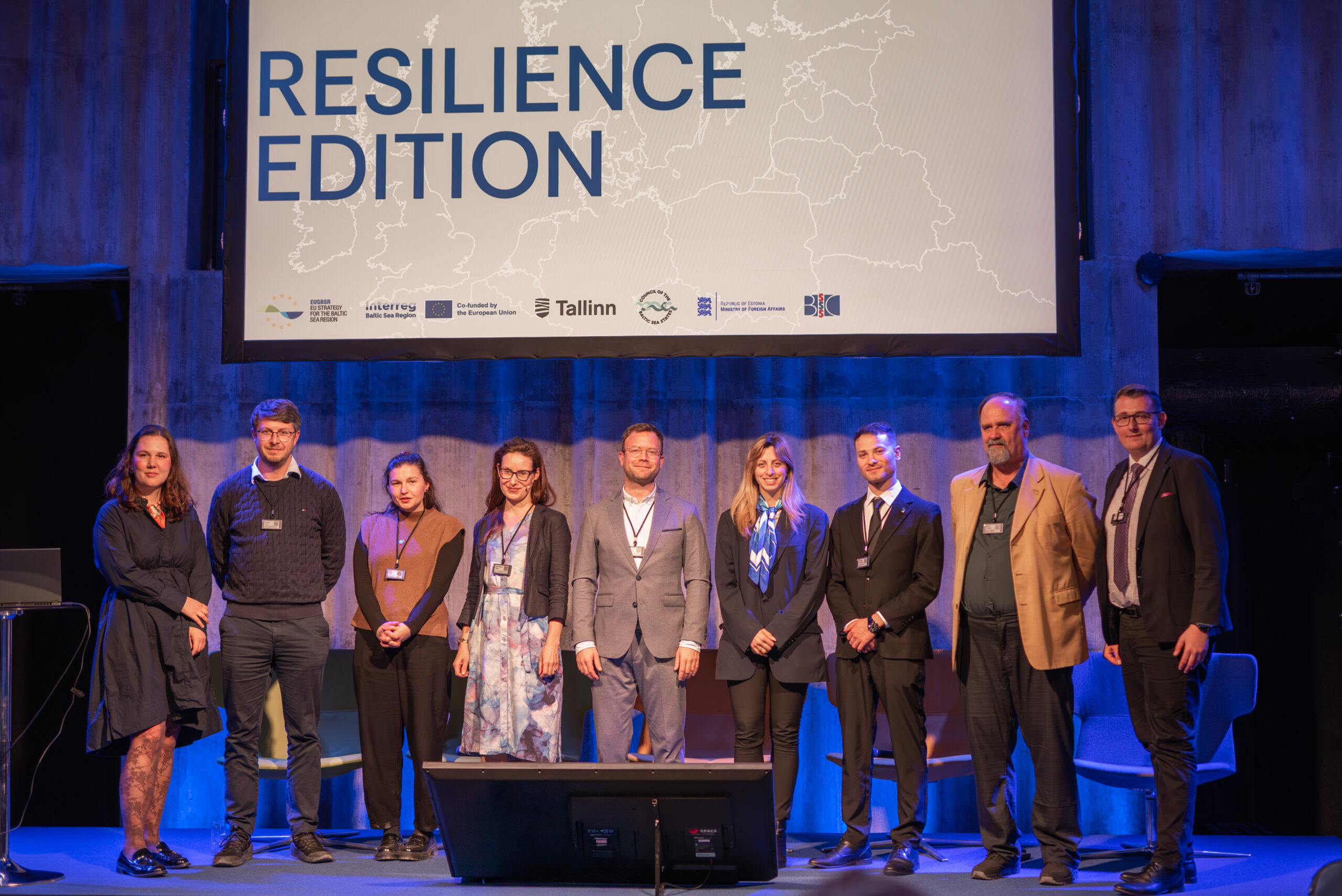
From 11–13 May, the 17th Annual Forum of the EU Strategy for the Baltic Sea Region (EUSBSR) in Tallinn brought together governments, researchers, policy-makers and civil society to tackle the Baltic Sea’s most urgent challenges. The Interreg South Baltic Programme played an active, visible role across the Forum – most notably by organising a high-profile session on submerged legacy hazards and by staffing a shared Interreg stand that showcased cross-programme cooperation and project results.
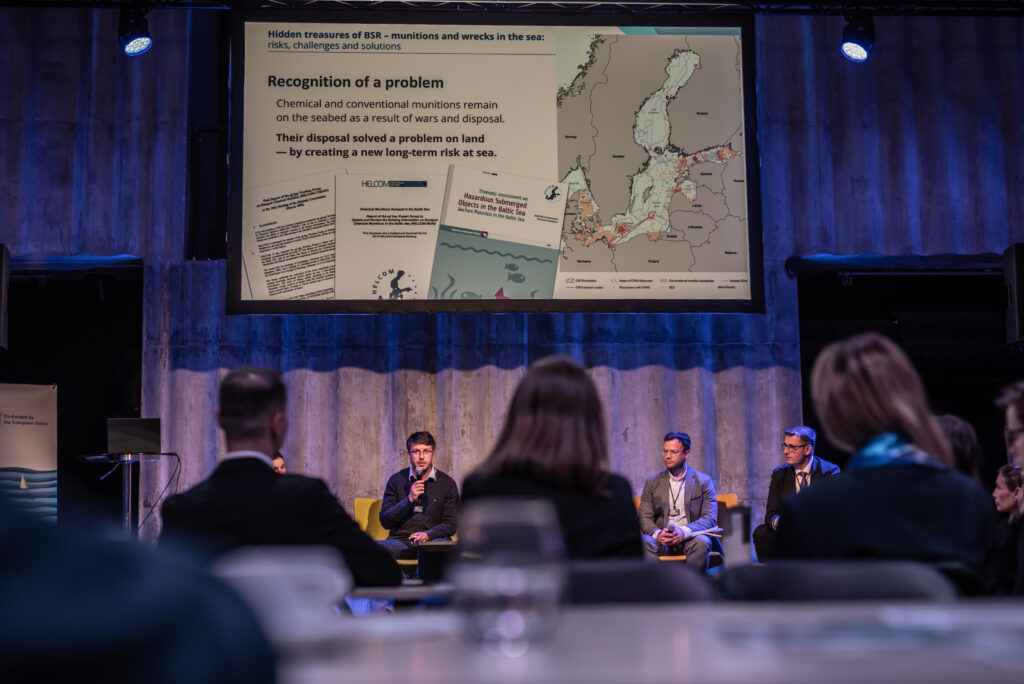
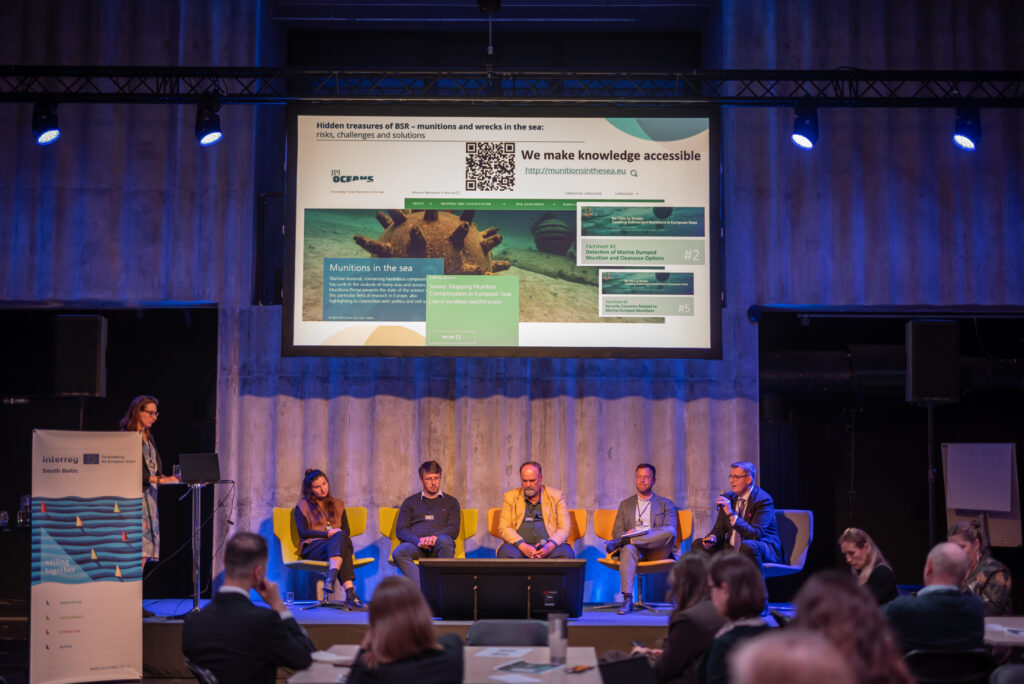
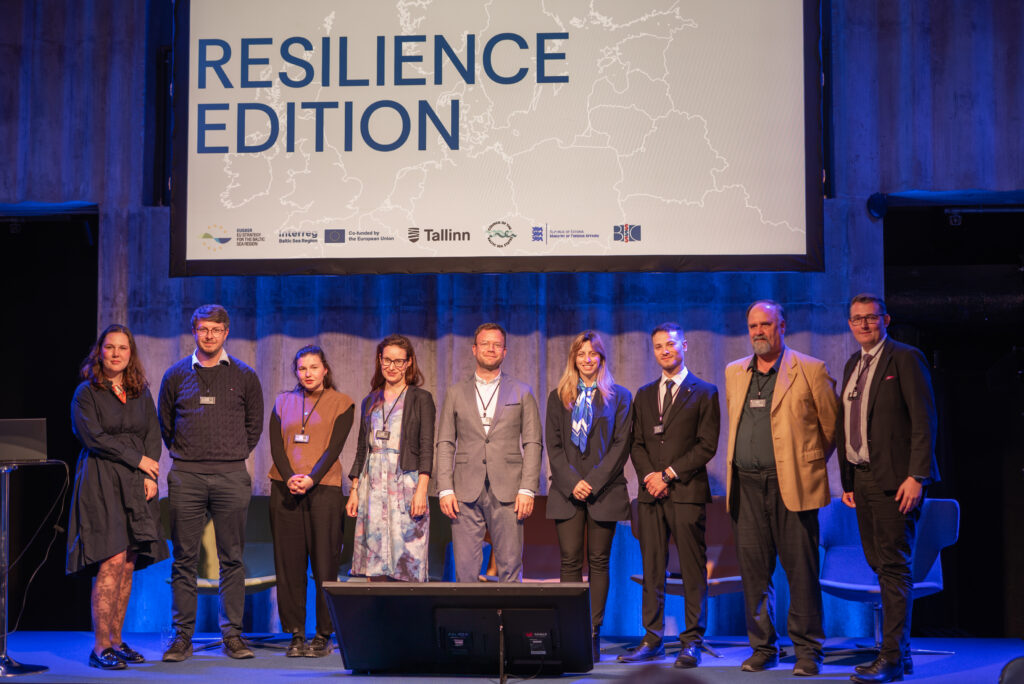
The session “Hidden ‘treasures’ of BSR – munitions and wrecks in the sea: risks, challenges and solutions” organised by the Interreg South Baltic Programme with Programme Officers Belén Benzaquen and Kyriakos Kourtidis actively participating, addressed the growing threats posed by munitions, oil and other hazardous material contained in the region’s shipwrecks. Convened by a consortium of BaltWreck, MMinE-SwEEPER, Endure, Muni-risk and MuniMap, and supported by PA Hazards and PA Safe, the session connected scientific, technical and policy perspectives to advance large-scale remediation.
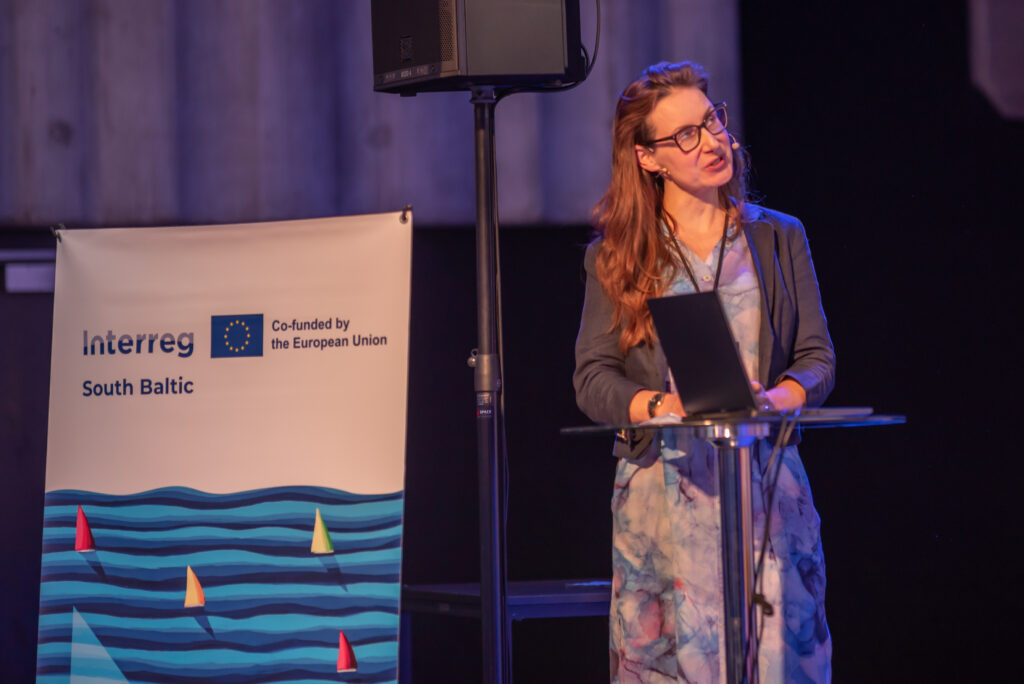
Louise Floman (PA Hazards) opened the session with a keynote stressing the urgency: among an estimated 8,000–10,000 wrecks on the seabed, many still contain dangerous cargo. She highlighted the forthcoming European Ocean Pact and the 2027 Ocean Act as crucial frameworks to move beyond monitoring toward concerted remediation efforts.
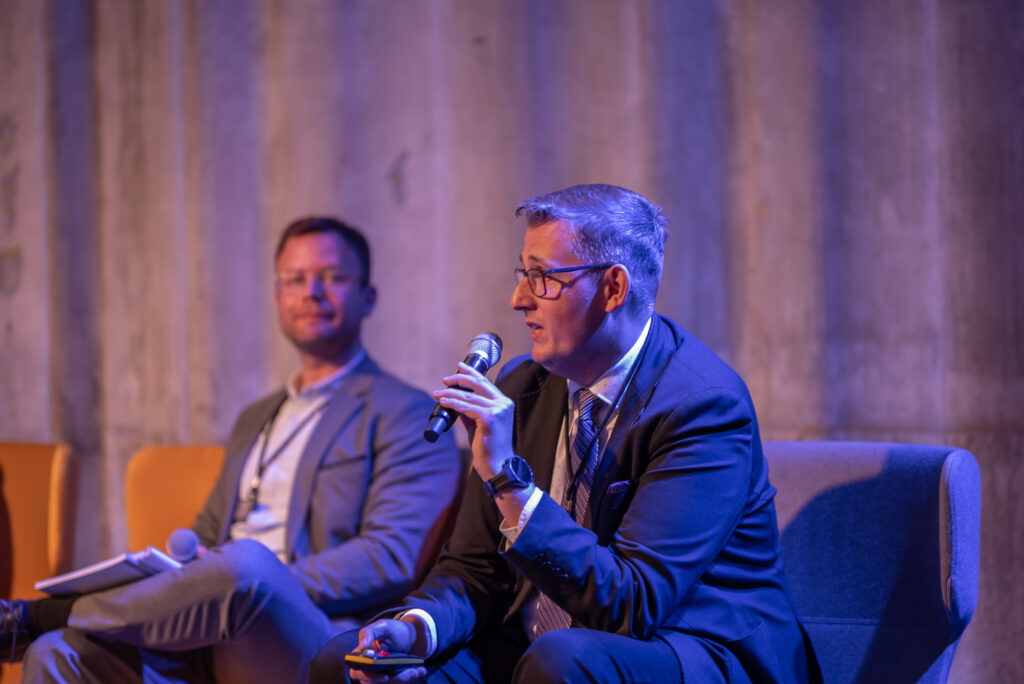
Moderated by Katarzyna Fidler, the session combined historical context with forward-looking solutions through five strategic perspectives:
– Awareness & Local Impact: Nora Klasen emphasised the need for local engagement and public awareness of submerged hazards.
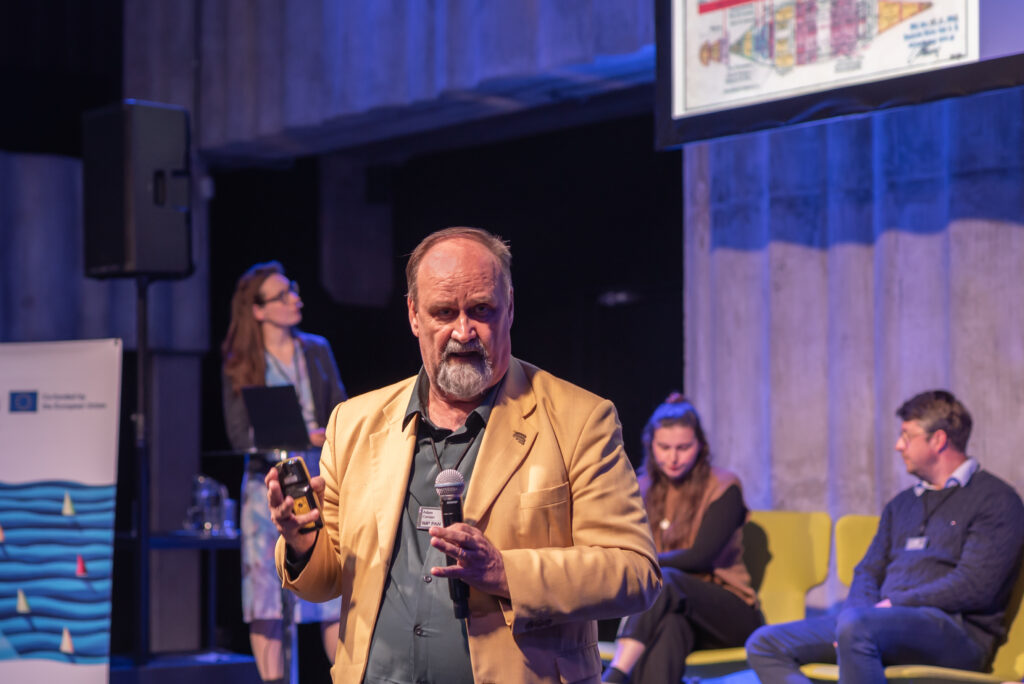
– Technical Remediation: Michał Czub and Adam Cenian presented case studies and technical methods from MUNI MAP (Interreg BSR) and BALTWRECK (Interreg South Baltic) for safe remediation and risk diagnostics.
– Policy & Legal Solutions: Erik Hanstein outlined legal barriers to cross-border action and recommended regulatory streamlining.
– Power of Collaboration: Marcin Żuchowski showcased the necessity of multi-stakeholder cooperation for sustainable next steps.
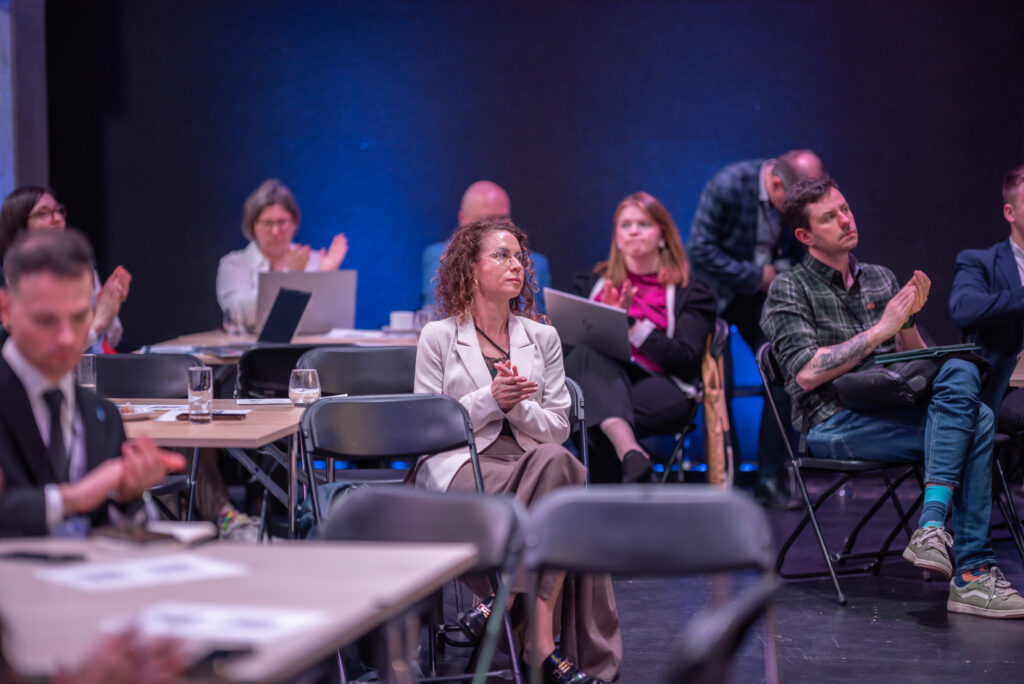
The session concluded with an interactive Mentimeter quiz that engaged participants reinforcing knowledge retention and the core message that shared information and institutional cooperation are essential for resilience.
Representatives of the Joint Secretariat of the Programme, Belén Benzaquen and Kyriakos Kourtidis, joined the shared Interreg stand organised by INTERACT, where seven Interreg programmes were presented. The stand offered networking opportunities and a platform to highlight the South Baltic Programme’s project portfolio and priorities. The Programme also contributed with a promotional video and a QR-linked quiz to increase engagement, distributed branded materials and promoted upcoming funding opportunities: the 6th Call for Proposals and the 4th Small-scale Project Call (16 September – 4 November 2026).
On 11 May, Interreg programmes in the Baltic Sea Region met at Pre-Forum Network Meeting to exchange on post-2027 programming, the EU’s Eastern Border dimension, and capitalisation needs. The Interreg South Baltic Programme presented priorities and showcased selected projects supporting EUSBSR implementation: INCONE60 Green, Baltic Biking UPGRADE (BBU), LoCaGas, PortSHAZ and AMBeR. Alexander Schwock (Contact Point, Mecklenburg‑Vorpommern) also represented the Programme at the Forum.
Several Interreg South Baltic projects attended and presented: PrepAlliance, AMBeR, CONSIDERATION, BalticBeat and BaltWreck. Speakers and participants highlighted the Forum’s value for exchanging knowledge, forging partnerships, and reinforcing resilience. Key reflections included the need to boost structured engagement between projects and EUSBSR Policy Areas, to capitalise on Interreg results, and to explore more paperless, eye-catching engagement tools for future events.
Although visitor traffic at the joint Interreg stand was moderate due to the crowded networking village, direct person-to-person engagement yielded productive exchanges with potential and current beneficiaries, Policy Area coordinators and other Interreg programmes. The Forum reaffirmed the South Baltic Programme’s strong visibility and alignment with EUSBSR priorities, while identifying opportunities to strengthen the programme’s strategic engagement with macro-regional actors (CBSS, HELCOM, EUSBSR governance) and to better leverage project – Policy Area cooperation for capitalisation and partner search.
For more information on the Interreg South Baltic Programme, featured projects, and forthcoming calls for proposals, please visit the Programme’s Calls for Proposals section.
Photos by Jolanta Olszewska, Association of Polish Communes Euroregion Baltic