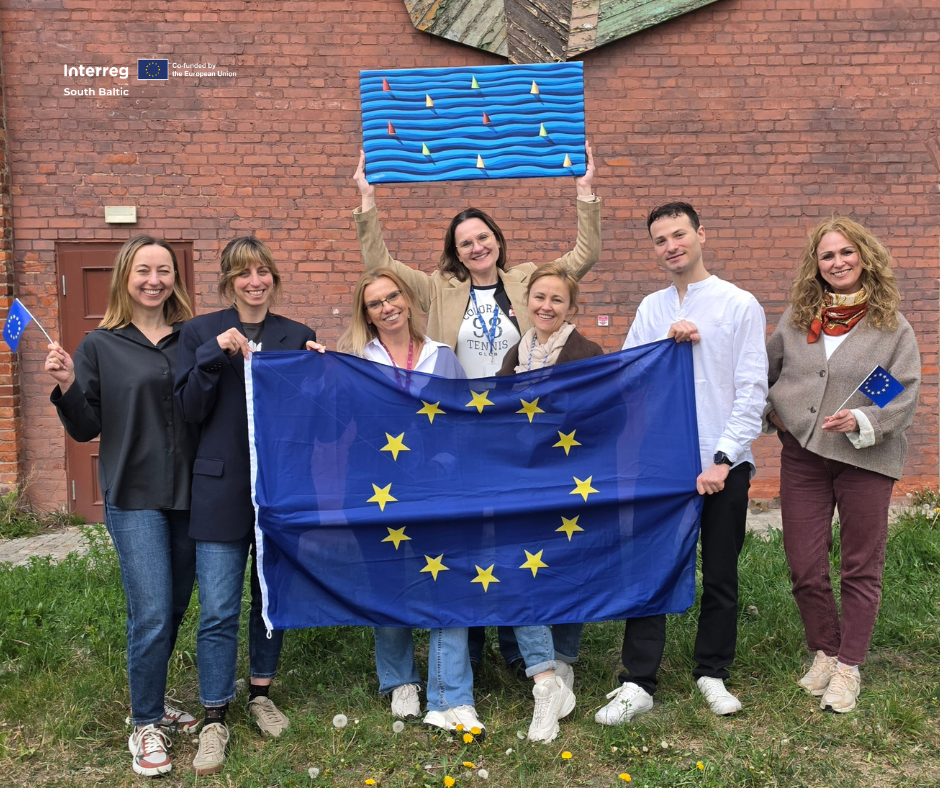
Europe Day, celebrated on the 9th of May, marks the anniversary of the Schuman Declaration of 1950 – a bold proposal by French foreign minister Robert Schuman to pool coal and steel production among European nations. That single initiative gave birth to the European Coal and Steel Community, the first of a sequence of institutions that evolved into today’s European Union. Emerging from the ashes of the Second World War, the Declaration sought to make war between historic rivals “not merely unthinkable, but materially impossible,” and to set Europe on a path towards greater integration, prosperity and democratic cooperation.
More than a moment of remembrance, Europe Day is an occasion to reflect on contemporary challenges and future opportunities. The same spirit of cooperation and ambition that united countries in 1950 is needed today to confront economic transformation, climate change and technological disruption. As Europe looks ahead, nurturing an innovation-driven, resilient and inclusive society must be central to that agenda.
A strong European innovation scene will not happen by accident – it needs to be built on purpose. That means ensuring people have access to finance and skilled workers, involving diverse groups in meaningful ways, and encouraging robust partnerships between public and private organisations and across companies. Networks that support entrepreneurs, together with policies that promote diversity and inclusion, are key to long-term success and shared benefits.
Concrete measures can accelerate this process. Harmonising access to venture and growth capital across member states, investing in education and lifelong reskilling, streamlining cross‑border talent mobility, and supporting regional innovation hubs are all critical. These approaches are already reflected regionally in initiatives such as the Interreg South Baltic Programme, whose four priorities – Innovative South Baltic (11 regular and 2 small‑scale projects), Sustainable South Baltic (26 regular and 1 small‑scale project), Attractive South Baltic (13 regular projects and 1 small‑scale project) and Active South Baltic (4 regular and 5 small‑scale projects) – alongside five projects designated as Operations of Strategic Importance (OSI), demonstrate how targeted, collaborative efforts can drive local and transnational innovation.
Strategic partnerships can kickstart new solutions, while Europe-wide accelerator programmes and research networks help scale promising ideas beyond local markets. It is equally important to foster an inclusive culture where entrepreneurs from all backgrounds can access mentorship, networks and opportunities to succeed. On Europe Day we recommit to that collective project: to deepen integration not only politically and economically, but technologically and socially, so the benefits of innovation reach every community. Together we can usher in a new era that is entrepreneurial, resilient and inclusive for all, fulfilling both Schuman’s vision and the needs of our time. Read about the
Schuman Declaration here.
Read more on Europe Day here.