
Acronym: ISMA
Project partners Member States: PL, LT, SE, DK
Reducing pollution from wastewater and sewage sludge in the South Baltic area by implementing innovative green technologies.
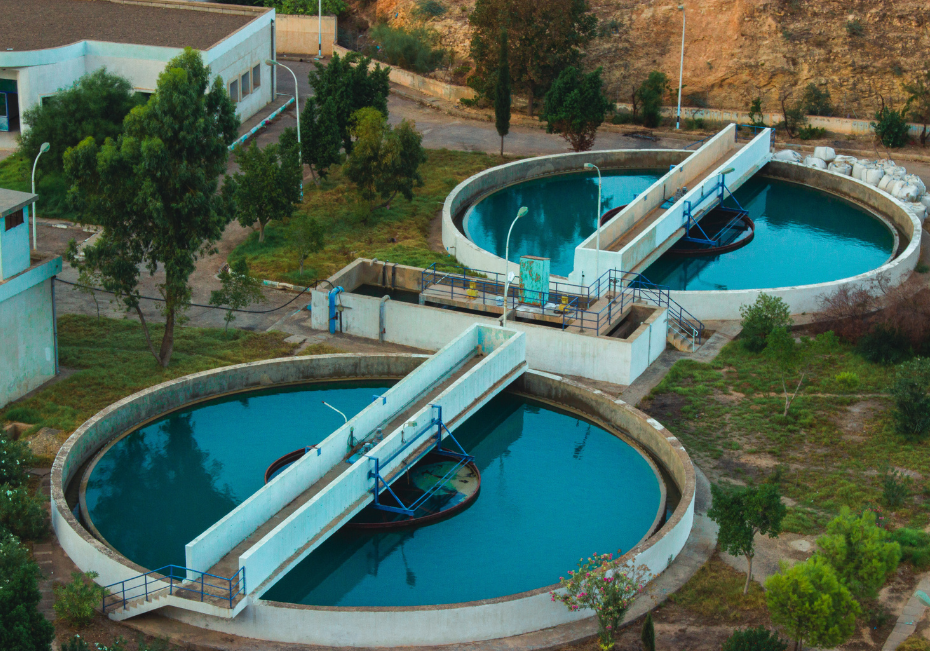
Overview: The project focuses on achieving comprehensive coverage of sanitary wastewater systems across rural and urban areas to protect the soil and water in the South Baltic area. It addresses the challenges posed by increased wastewater and sewage sludge at treatment plants, aiming for environmentally friendly management solutions.
Key Objectives: The project seeks to reduce pollution from wastewater and sewage sludge by introducing innovative and green technology solutions. It aims to enhance water safety, limit eutrophication, and meet stricter environmental standards by testing best practices in wastewater management.
Main Activities: Key activities involve pilot and experimental processes to improve wastewater and sewage sludge treatment. These include biogas production from organic compounds and methane, and water-safe management of digestate. The project explores biochar production as an agricultural substitute and for water pollutant removal, ensuring sustainable management practices are adopted.
Impact: Through cross-border collaboration with universities and treatment plant owners, the project facilitates the exchange of expertise and knowledge. By implementing innovative solutions, it reduces nutrient and hazardous substance discharge into river basins, promoting sustainable water and waste management in the South Baltic area.