Acronym: ECONUT
Project partners Member States: DE, PL, LT, SE, DK
Revitalising nutrient cycling in South Baltic agriculture by utilising marine biomass for sustainable soil and crop management.
Overview: The project focuses on revitalising nutrient cycling in agriculture within the South Baltic area by utilising marine biomass resources. It addresses the environmental challenges posed by excessive use of synthetic fertilisers and promotes a circular bioeconomy approach for sustainable nutrient management.
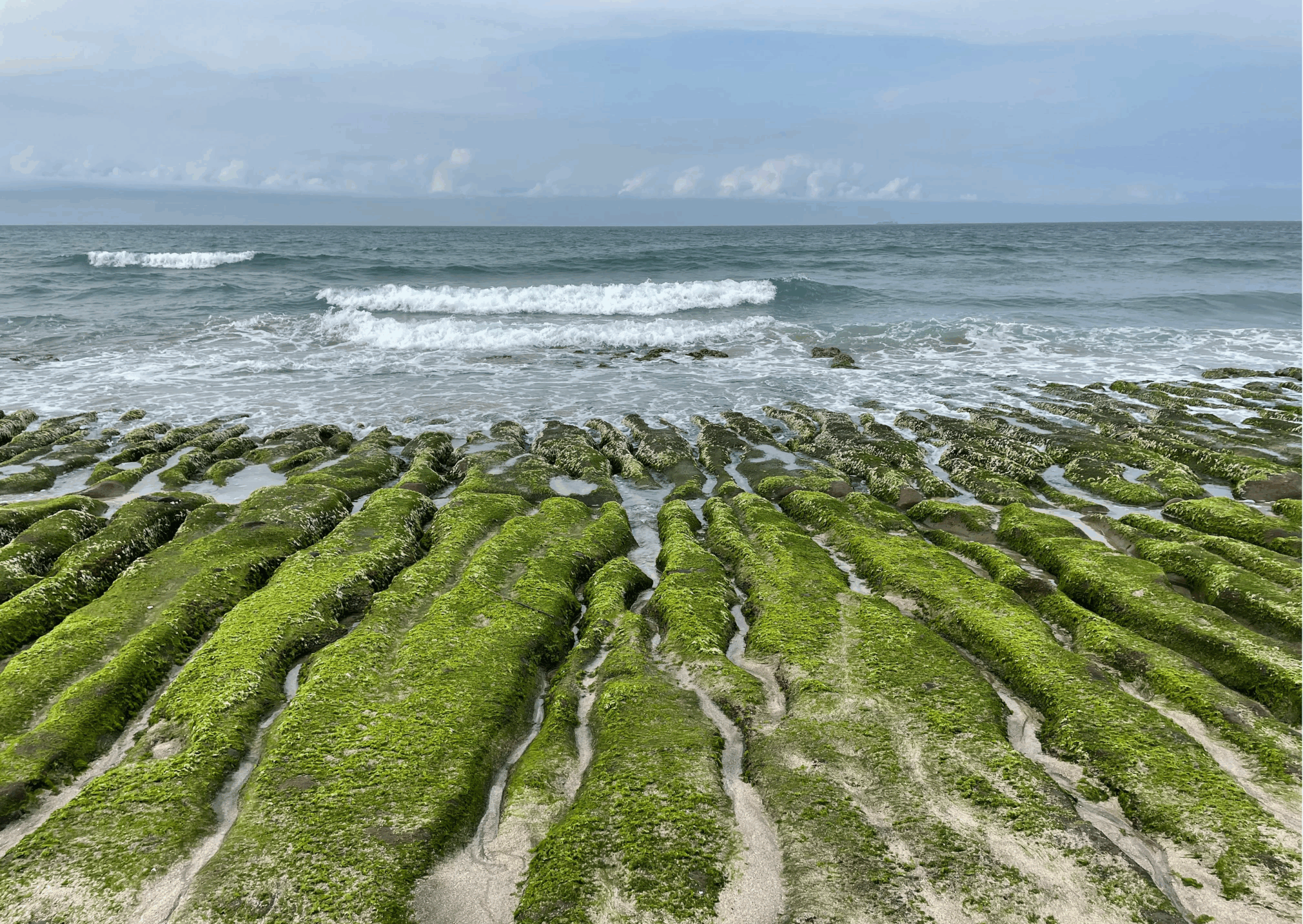
Key Objectives: The goal is to enhance soil quality and agricultural productivity by integrating marine biomass such as algae, macrophytes, and beach wrack into nutrient recycling processes. This involves using biomass as fertilisers and adsorbents to recover and retain nutrients, thus preventing environmental pollution and promoting biodiversity.
Main Activities: Key activities include developing biofertiliser technologies from marine biomass, optimising applications to maximise benefits for soils and vegetation, and exploring carbon sequestration methods. The project also investigates the use of treated beach wrack as an organic fertiliser and dune stabiliser, enhancing soil nutrient content and coastal protection.
Impact: The project aims to transform nutrient management in agriculture by fostering a sustainable circular economy model. It supports nutrient recovery strategies that improve soil fertility, crop nutrition, and biodiversity, while reducing pollution and enhancing resilience to environmental stressors, contributing to the overall sustainability of the South Baltic area’s agricultural systems.